Computational ecology
The increasing availability of large ecological and environmental datasets requires advanced computational and statistical approaches for data integration, analysis, and interpretation. My research applies computational ecology methods, including ecological modeling, machine learning, and bioinformatics, to understand community dynamics, ecosystem processes, and complex ecological interactions.
Ecological data analysis and visualization (developing R and Python packages)
Statistical modeling of ecological communities
Meta-analysis and synthesis of ecological datasets
Environmental metagenomics and data analysis
Ecosystem restoration ecology
Ecological restoration of forests and grasslands invaded by invasive plant species
My research investigates how alien invasive plant species alter native vegetation, soil properties, and microbial communities in forest and grassland ecosystems. I am interested in understanding ecological recovery processes and evaluating restoration strategies that promote native biodiversity and ecosystem functioning following biological invasions. 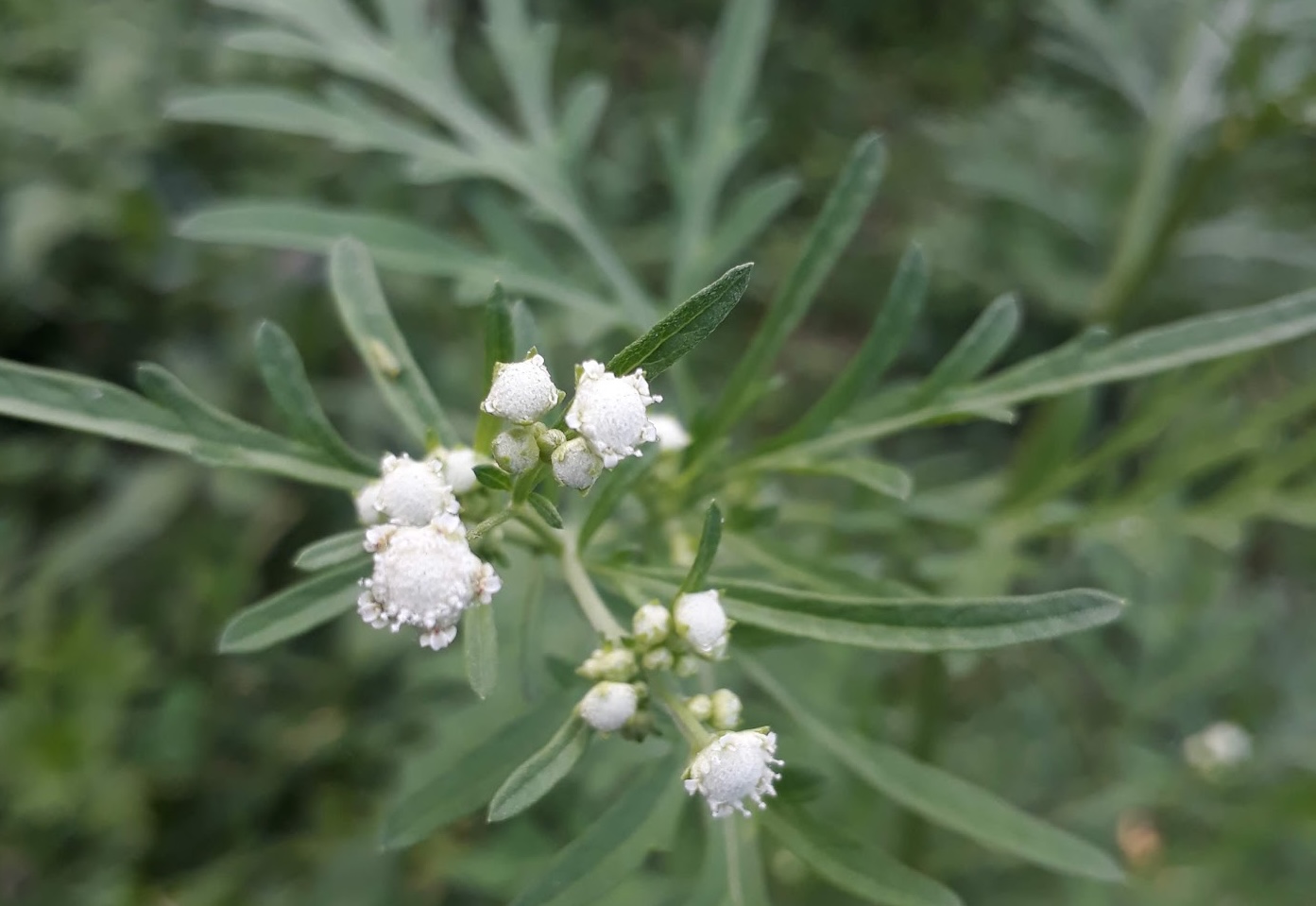 Parthenium hysterophorus
Ecological restoration of abandoned agriculture lands
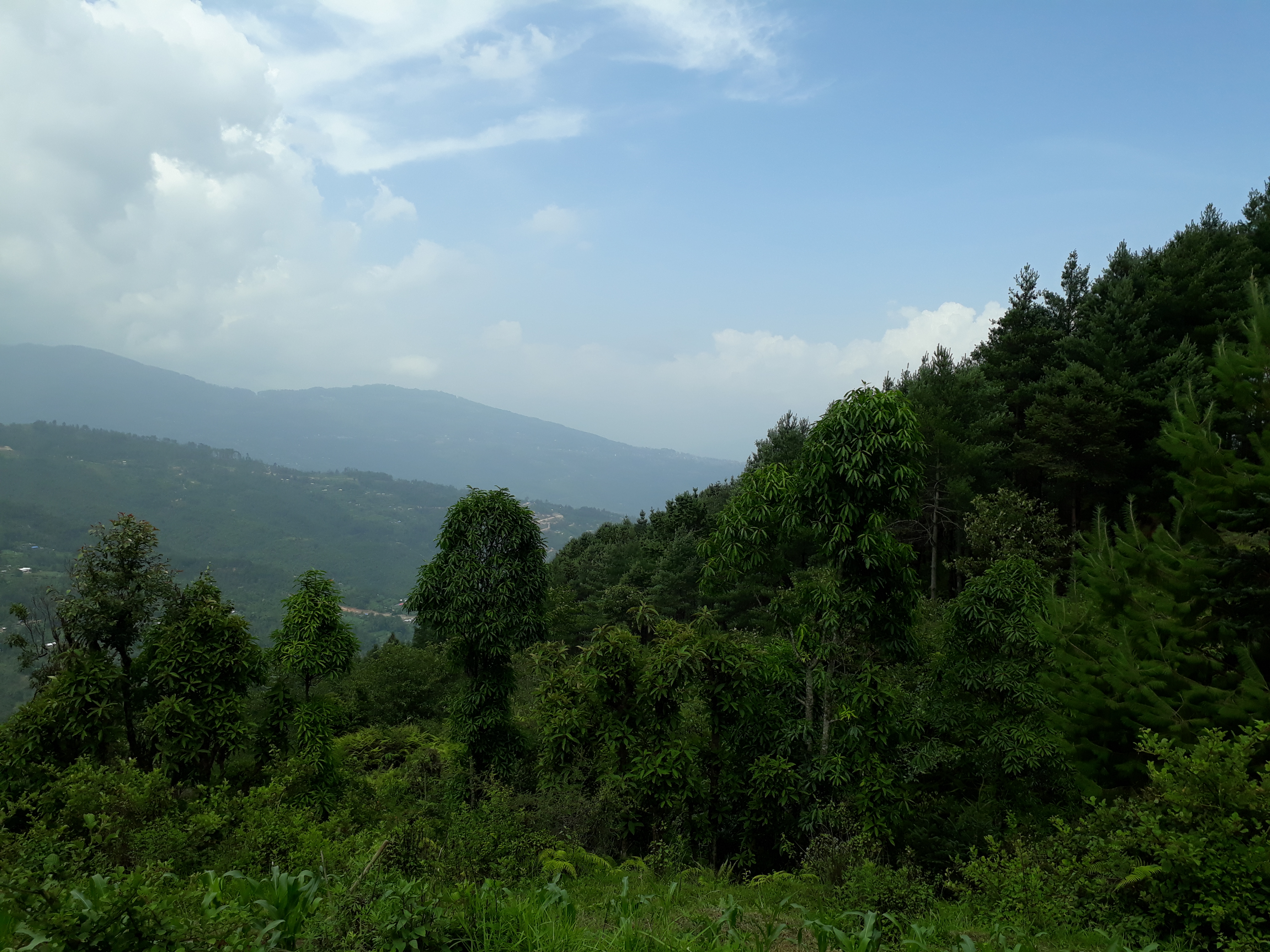 Landscape of Dolakha district, central Nepal
Widespread abandonment of mid-hill farmland, driven by large-scale labour out-migration, is opening space to revive Nepal’s lost subtropical and temperate forests; my research therefore uses paired vegetation and soil surveys to quantify how site conditions on these fallow fields converge with, and can be steered toward, the composition and function of the nearest remnant forest stands.
Ecological restoration of rubber monoculture plantations
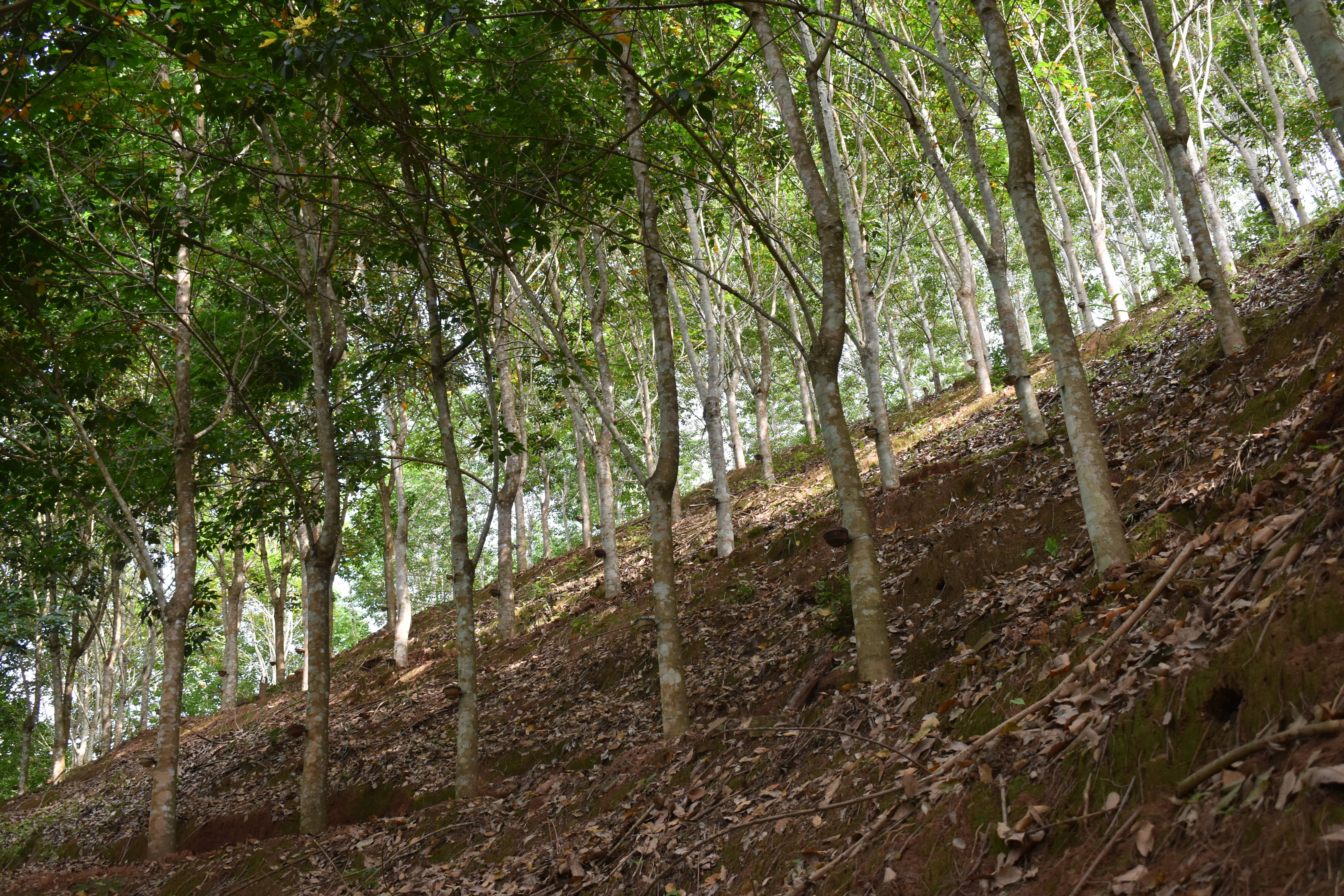 Rubber monoculture plantation in steep slope
As falling rubber prices and yield decline drive widespread abandonment of tropical monoculture plantations, my research tracks microbial-community dynamics across chronosequences of these sites to compare how natural regeneration versus active restoration plantings steer soil biota toward rainforest reference states.